
 Deutsch
 Español
 Suomi
Suomi Français
 Bahasa Indonesia
 Italiano
 日本語
日本語 Português
 Tagalog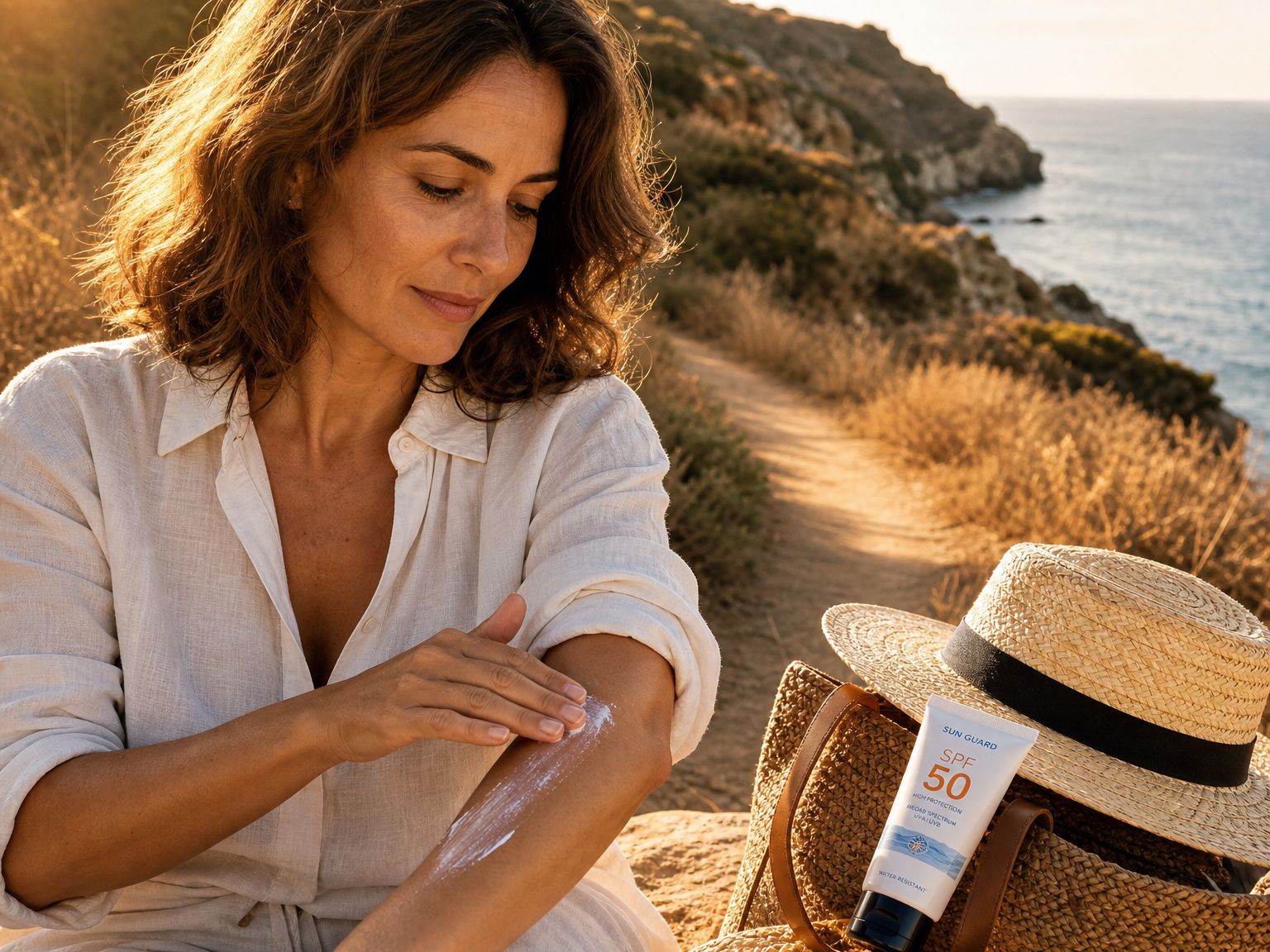

1. What is selenium?
Selenium is a trace mineral, meaning the body only needs it in small amounts. Once absorbed, it becomes part of selenoproteins — specialized proteins that help with antioxidant defense, thyroid hormone metabolism, immune function, and normal cell activity.
For skin, the most relevant selenoproteins include glutathione peroxidases and thioredoxin reductases. These help keep oxidative stress in check — the kind of cellular strain that rises after ultraviolet radiation from sunlight. UV exposure can generate reactive oxygen species, inflame the skin, damage proteins and fats, and, over time, contribute to photoaging and some forms of skin cancer.
That makes selenium biologically interesting, and it explains why broader selenium skin health claims often focus on antioxidant pathways. It does not mean extra selenium acts like sunscreen. A nutrient can be necessary for normal skin biology without becoming more protective when taken above normal needs.
2. How selenium may affect UV-exposed skin
UV light damages skin in more than one way. UVB is strongly linked with sunburn and direct DNA lesions. UVA penetrates more deeply and is associated with oxidative stress, collagen breakdown, pigmentation changes, and photoaging.
Selenium’s best-supported role is helping cells manage oxidative stress. In lab studies using human skin cells, selenium compounds have reduced some signs of UVA- or UVB-related stress, including lipid oxidation and certain enzymes linked with collagen breakdown. Some studies also suggest timing may be important: selenium given before UV exposure looked more useful than selenium added after UV exposure.
The catch is that these findings mostly come from cell studies. They help explain why selenium adequacy could be relevant to skin resilience, but they do not prove that taking selenium capsules before a holiday reduces sunburn, prevents photoaging, or repairs sun-damaged skin afterward.
The chemical form also seems to matter. Preclinical studies suggest selenomethionine may behave differently from sodium selenite in skin cells. At low doses, some selenium forms can look protective in the lab; at higher doses, the same mineral can become toxic to cells. This is one reason selenium is not a “more is better” nutrient.
3. What the human evidence says
The human evidence is much less convincing than the biology might suggest.
A small older study tested an oral formula containing selenium plus copper and vitamins. After 3 weeks, the combination reduced some UV-induced cellular damage at lower UV exposure levels, but not at higher exposure. Because the formula included several nutrients, it cannot tell us whether selenium itself was responsible. It also measured a laboratory skin marker, not real-world outcomes such as fewer sunburns, slower photoaging, or reduced skin cancer risk.
A separate small topical study found that L-selenomethionine applied to the skin increased the minimal erythema dose — the amount of UV needed to cause redness — in 8 women. That is intriguing, but it was topical, very small, and does not support taking oral selenium supplements for sun protection.
For longer-term skin outcomes, skin cancer prevention trials are more cautionary. In the Nutritional Prevention of Cancer trial, people with a history of non-melanoma skin cancer took 200 micrograms of selenium daily. Selenium did not reduce recurrence of basal cell or squamous cell skin cancer. Counts were numerically higher in the selenium group.
A recent systematic review and dose-response meta-analysis found mixed observational signals: higher serum or plasma selenium was linked with slightly lower non-melanoma skin cancer risk, but dietary selenium and toenail selenium were not clearly protective. In experimental studies, selenium-supplemented participants had a higher risk of squamous cell carcinoma, with no clear reduction in basal cell carcinoma or non-melanoma skin cancer overall.
A Cochrane review also found no evidence that increasing selenium intake through diet or supplements prevents cancer in humans, including non-melanoma skin cancer.
In plain terms:
 Adequacy: Selenium is part of normal skin-cell biology.
 Photoprotection: Oral selenium is not proven to protect skin from the sun.
 Cancer prevention: Supplements should not be used as a strategy.
4. Practical considerations
There is no evidence-based selenium dose for “preparing” skin for sun exposure or repairing sun-damaged skin afterward.
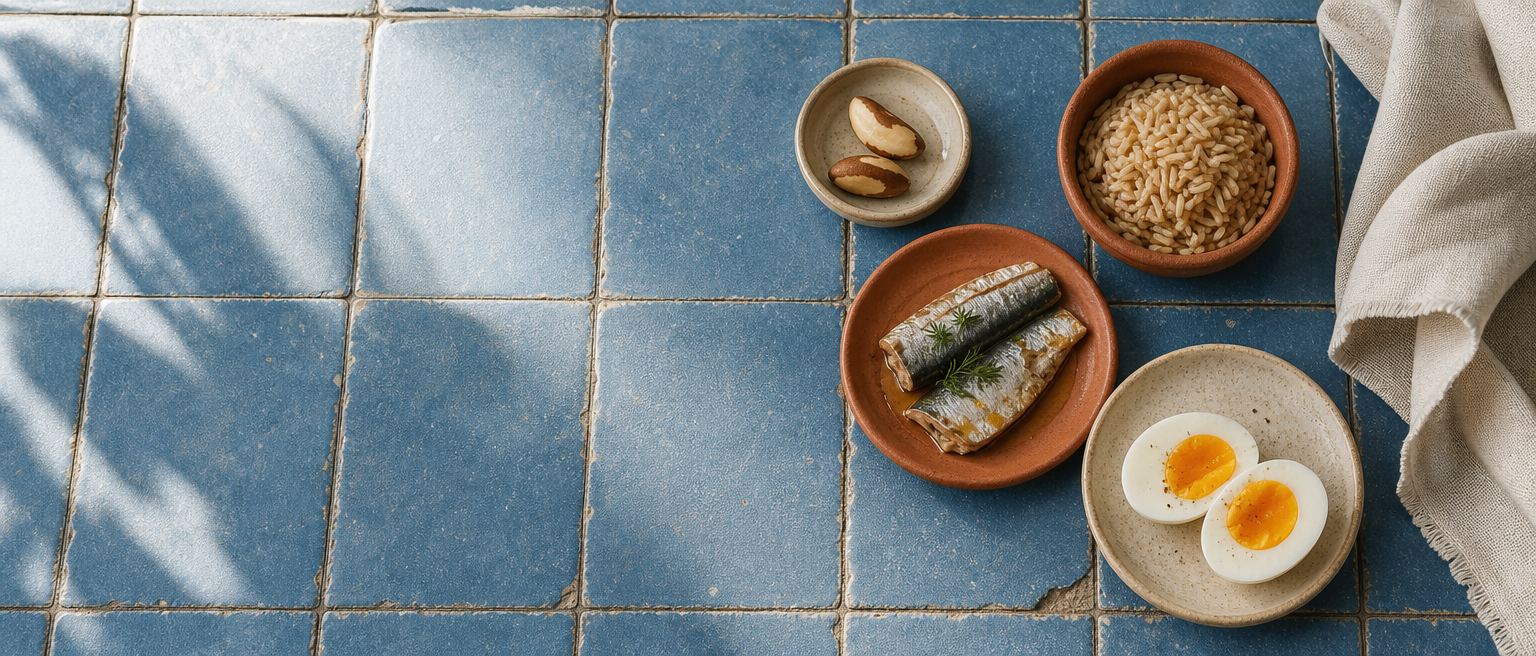
For general nutrition, the U.S. adult Recommended Dietary Allowance is 55 micrograms per day. It rises to 60 micrograms during pregnancy and 70 micrograms during lactation. Many people meet this through foods such as seafood, meat, poultry, eggs, dairy, grains, and nuts, depending on local soil selenium levels.
Selenium deficiency is uncommon in healthy adults in the United States. If someone is already selenium-replete, taking more is unlikely to improve UV protection and may leave less room for safe intake from food and other supplements.
Brazil nuts deserve special mention. They can be extremely high in selenium, and the amount varies widely from nut to nut. Eating them regularly alongside a multivitamin or separate selenium supplement can push intake higher than intended.
If you are trying to protect your skin from the sun, selenium should not replace the basics: broad-spectrum sunscreen, protective clothing, sunglasses, shade, and avoiding intense midday sun. These have much stronger evidence than any oral selenium strategy.
If you are comparing selenium with other sun protection supplements or broader antioxidant skin protection claims, apply the same rule: none should replace sunscreen. Selenium is also not an evidence-based way to repair sun-damaged skin after the fact.
5. Safety
Selenium has a narrow safe intake range compared with many common nutrients. The U.S. adult tolerable upper intake level is 400 micrograms per day. The European Food Safety Authority updated its adult upper limit to 255 micrograms per day in 2023. That lower European limit is important because some older trials used 200 micrograms per day, leaving little room for selenium from food.
Chronic excess can cause selenosis. Symptoms may include hair loss, brittle or lost nails, garlic-like breath, a metallic taste, rash, nausea, diarrhea, fatigue, irritability, and neurologic problems.
Be especially careful with stacked products: a multivitamin, “hair skin nails” formula, thyroid-support product, separate selenium tablet, and frequent Brazil nuts can add up quickly.
People who are pregnant or breastfeeding, have kidney disease, take multiple supplements, or suspect a true deficiency should speak with a clinician before using selenium supplements. Anyone with a history of skin cancer or significant sun damage should also avoid self-prescribing selenium for cancer prevention and should follow medical skin-check guidance.