

 Deutsch
 Español
 Suomi
Suomi Français
 Bahasa Indonesia
 Italiano
 日本語
日本語 Português
 Tagalog
Summary
Garlic is both a common food and a widely used supplement, but supplement interest centers less on nutrients and more on sulfur-containing compounds that change with processing. Raw garlic, cooked garlic, garlic powder, aged garlic extract, garlic oil, and enteric-coated products can behave quite differently.
The strongest human evidence supports modest blood-pressure benefits, with possible but uneven improvements in some blood sugar and cholesterol markers, especially in higher-risk adults. Evidence is much weaker for broad immune-boosting, antimicrobial, cold-prevention, or cancer-prevention claims. The key practical point is to match the exact garlic form to the outcome studied.
Quick Facts
What is it useful for?
Garlic is best supported for small reductions in blood pressure and possible modest improvements in some cholesterol and blood sugar markers in at-risk adults.
Supplement types
Raw or crushed garlic, dried powder tablets, aged garlic extract, garlic oil, essential oil, and enteric-coated products. These forms differ chemically and are not interchangeable.
Interactions
Garlic may add to blood-thinning effects and can interact with medicines, including saquinavir. Caution is especially relevant with anticoagulants, antiplatelets, aspirin, and complex medication regimens.
Side effects
Common effects include garlic odor, abdominal discomfort, flatulence, and nausea. Allergy can occur, and topical raw garlic may cause chemical-burn-type skin injury.
Other possible benefits
Garlic shows immune and antimicrobial promise in laboratory research, but clinical proof for colds, flu, cancer prevention, or broad immune boosting remains limited.
Regulatory status
In the U.S., garlic supplements are sold without premarket FDA approval. In the EU, health claims for botanicals are handled within a stricter framework, with medicinal and supplement pathways kept separate.
What We Already Know About It
Form changes the chemistry. Garlic is both a food and a source of biologically active sulfur compounds, and those sulfur compounds are the main reason it is studied as a supplement. Fresh garlic contains alliin, which can be converted by alliinase into allicin when the clove is crushed or chopped. Other sulfur compounds can then form, including ajoene and oil-soluble sulfides. In aged garlic extract, the chemistry shifts toward more stable water-soluble compounds such as S-allylcysteine, so different garlic products should be viewed as related but distinct preparations rather than one uniform active ingredient. (Comprehensive review of garlic bioactives; Human allicin bioavailability study; Study on aged garlic extract compounds)
Human evidence is selective. The strongest clinical support is for modest cardiovascular and metabolic effects, especially in people who already have elevated risk. Meta-analytic data support small average reductions in blood pressure, and some standardized aged garlic extract products appear more reliable than generic garlic products in hypertensive populations. Evidence for glucose control and cholesterol is promising but mixed, with pooled analyses showing benefits in some markers while some well-designed individual trials report no clear effect. This makes the evidence moderate rather than definitive, and highly dependent on formulation, population, dose, and study quality. (Meta-analysis of garlic and blood pressure; Aged garlic extract blood-pressure meta-analysis; Meta-analysis of garlic on glucose and lipid markers; Meta-analysis of garlic in type 2 diabetes; Stanford News — garlic and cholesterol trial)
Many broader claims remain uncertain. Garlic has plausible antimicrobial and immune-related mechanisms in laboratory work, but human evidence is much weaker. Official sources conclude that evidence for common-cold prevention is insufficient, stomach-cancer risk does not appear to be reduced by consuming garlic, and colorectal-cancer evidence remains uncertain. In practical terms, garlic may be useful in some cardiometabolic contexts, but it is not a proven cure-all. (Cochrane — Garlic for the common cold; NCCIH — Garlic; Linus Pauling Institute — Garlic)
Summary of Relevant Scientific Research
Blood pressure and aged extract — Meta-analyses and randomized trials
A meta-analysis of 17 randomized trials found pooled reductions of about 3.75 mm Hg systolic and 3.39 mm Hg diastolic versus control, with clearer effects in people who were hypertensive. A newer form-specific review and the AGE at Heart trial suggest aged garlic extract may be the most consistent preparation, particularly around 1.2 g/day or above. (Meta-analysis of garlic and blood pressure; Aged garlic extract blood-pressure meta-analysis; AGE at Heart trial)
Glucose and lipid outcomes — Recent pooled analyses
Recent meta-analyses suggest garlic can improve fasting blood glucose, HbA1c, total cholesterol, and LDL cholesterol, especially in higher-risk groups such as people with type 2 diabetes. However, heterogeneity was high, HDL and triglyceride findings were less consistent, and one notable NIH-funded Stanford trial found no LDL-lowering effect from raw garlic, garlic powder, or aged extract over six months. (Meta-analysis of garlic on glucose and lipid markers; Meta-analysis of garlic in type 2 diabetes; Stanford News — garlic and cholesterol trial)
Immune and cold claims — Cochrane and NIH sources
Garlic is often marketed for immune support, but the clinical base is thin. Cochrane identified only one eligible common-cold trial and judged the evidence insufficient. The NIH Office of Dietary Supplements also notes that only a few human trials exist; one 90-day aged garlic extract study improved some immune-cell measures and symptom burden without clearly reducing illness incidence. (Cochrane — Garlic for the common cold; NIH ODS — Immune Function Fact Sheet)
Food versus supplement bioavailability — Human and product studies
Bioavailability research helps explain why garlic foods and supplements cannot be treated as equivalent. Cooking or suspending garlic in acid can inactivate alliinase and sharply reduce allicin formation. Some enteric-coated dried-garlic tablets can deliver thiosulfinates similarly to crushed fresh garlic, while aged garlic extract delivers a different profile centered on stable compounds such as S-allylcysteine. (Garlic bioavailability review; Human allicin bioavailability study; Study on aged garlic extract compounds)
Beliefs, Myths & Unproven Claims
Garlic reliably prevents colds and infections
This belief fits garlic’s long traditional reputation and its strong antimicrobial activity in laboratory settings, but human evidence is still sparse. Cochrane found only one eligible common-cold trial, and NIH sources describe the available trials as few and inconclusive. That makes the claim uncertain rather than established. (Cochrane — Garlic for the common cold; NIH ODS — Immune Function Fact Sheet; Linus Pauling Institute — Garlic)
All garlic products clearly prevent cancer or heart disease
The current evidence does not support such broad wording. Official sources note no apparent reduction in stomach-cancer risk and uncertain evidence for colorectal cancer. Cardiovascular results also need nuance: some standardized supplements modestly improve blood pressure and certain metabolic markers, but not every trial shows benefit. (NCCIH — Garlic; Meta-analysis of garlic and blood pressure; Meta-analysis of garlic on glucose and lipid markers; Stanford News — garlic and cholesterol trial)
Stronger smell or enteric coating means stronger effects
These shortcuts are not reliable. Aged garlic extract can be lower in odor yet still contain stable sulfur compounds such as S-allylcysteine, while some enteric-coated tablets perform well and others do not. Cooking and acidification can also sharply reduce allicin formation, so smell alone does not predict clinical effect. (Garlic bioavailability review; Human allicin bioavailability study; Study on aged garlic extract compounds; Comprehensive review of garlic bioactives)
Detailed Research Observations
Garlic as a food versus a supplement
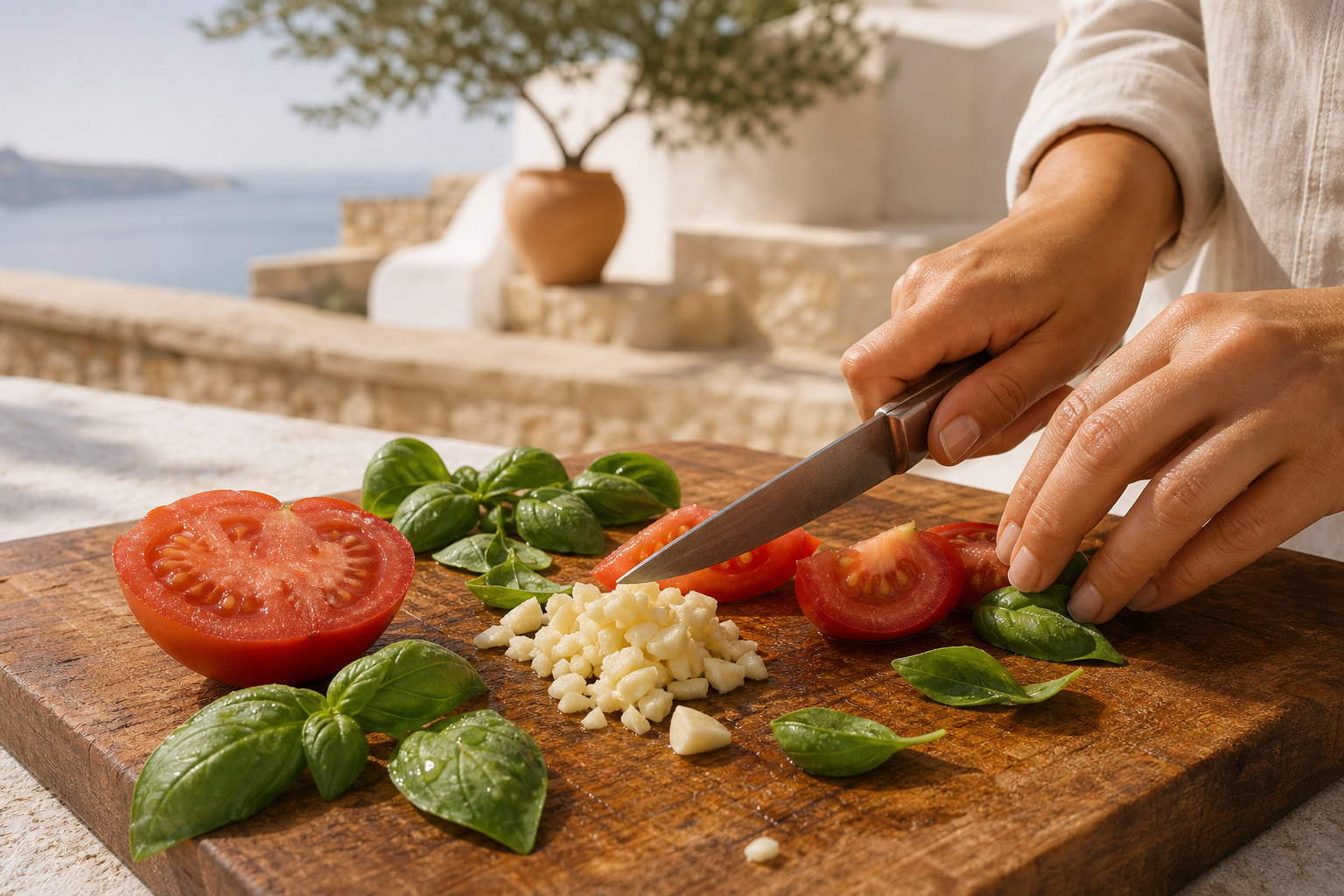
Garlic is first a food: a bulb vegetable used as a seasoning and staple ingredient in many cuisines. In ordinary serving sizes it contributes relatively small amounts of carbohydrate, fiber, vitamins, and minerals, but supplement interest is focused much more on phytochemical activity than on classic nutrient density. Reviews describe fresh garlic as being composed mainly of water and carbohydrate, with smaller amounts of protein, fiber, vitamins, minerals, and an organosulfur fraction that drives most supplement research. This distinction matters because consumers often ask whether they are using garlic for nourishment, flavor, or pharmacologically relevant sulfur chemistry; in the supplement context, the discussion is usually about the last of these. (Comprehensive review of garlic bioactives)
That food-versus-supplement split also helps explain why expectations can become unrealistic. Historical use in culinary and traditional medical systems makes garlic feel intuitively trustworthy, but traditional familiarity does not automatically predict modern clinical performance. The current research base supports some specific cardiometabolic uses more than broad claims about infection control, detoxification, or universal vitality. (Comprehensive review of garlic bioactives; NCCIH — Garlic)
Why garlic chemistry depends so strongly on form
Raw intact garlic does not simply contain allicin ready-made. Instead, it contains alliin and the enzyme alliinase in separate compartments. Crushing or chopping allows them to interact, generating allicin and then many downstream sulfur compounds. That means preparation method can change the active profile dramatically before a product is ever swallowed. Aged garlic extract develops a different chemical profile during long extraction and aging, including stable water-soluble sulfur compounds such as S-allylcysteine, while garlic essential oil is richer in oil-soluble sulfides such as diallyl disulfide and diallyl trisulfide. These are chemically related products, but not interchangeable ones. (Human allicin bioavailability study; Study on aged garlic extract compounds; Review of garlic essential oil; Linus Pauling Institute — Garlic)
Bioavailability studies show why this matters in practice. Cooking or suspending garlic in acid can greatly reduce alliinase activity and therefore reduce allicin generation. Some dried-garlic or enteric-coated tablets can, under certain conditions, deliver allicin-related compounds in a way that approaches crushed fresh garlic, but performance varies widely by product and meal conditions. Aged garlic extract works differently again, relying less on allicin and more on stable compounds such as S-allylcysteine. For consumers, the practical takeaway is that a clove in dinner and a branded capsule may both be “garlic,” but they are not necessarily equivalent interventions. (Garlic bioavailability review; Human allicin bioavailability study; NIH ODS — Immune Function Fact Sheet)
Blood pressure is the clearest clinical use case
Among major consumer claims, blood-pressure support has some of the best human evidence. A meta-analysis of randomized trials found modest average reductions in systolic and diastolic blood pressure, with clearer benefits in people who were already hypertensive rather than normotensive. More recent work focused specifically on aged garlic extract suggests that this standardized form may be especially relevant, with significant effects mainly above 1200 mg per day. The AGE at Heart trial used 1.2 g per day aged garlic extract for 12 weeks and reported a meaningful average reduction in systolic blood pressure, with some participants responding much more strongly than others. (Meta-analysis of garlic and blood pressure; Aged garlic extract blood-pressure meta-analysis; AGE at Heart trial)
Those findings make garlic interesting, but they do not turn it into a replacement for antihypertensive therapy. The pattern in the literature is product-specific and population-specific: standardized aged garlic extract appears more reliable than generic “garlic” products, and people with existing hypertension seem more likely to benefit than those with normal blood pressure. That is why the evidence is best described as useful but modest, and why form, dose, and study quality matter so much. (NCCIH — Garlic; Aged garlic extract blood-pressure meta-analysis)
Glucose and cholesterol findings are promising but uneven
Recent meta-analyses suggest garlic can improve fasting glucose and HbA1c, and may also lower total cholesterol and LDL cholesterol in some settings. In type 2 diabetes, pooled data suggest approximate reductions in fasting blood sugar and HbA1c, but the analyses also report substantial heterogeneity. HDL cholesterol and triglycerides often show weaker or non-significant effects, so consumers should not expect universal improvement across every blood marker. Variation in study populations, doses, preparations, and duration likely contributes to the uneven findings. (Meta-analysis of garlic on glucose and lipid markers; Meta-analysis of garlic in type 2 diabetes; NCCIH — Garlic)
Null trials are especially important here. A widely cited NIH-funded Stanford trial reported no LDL reduction from raw garlic, garlic powder, or aged garlic extract compared with placebo in adults with moderately elevated LDL over six months. That does not prove garlic never helps cholesterol, but it does show why pooled averages should be interpreted carefully and why garlic should not be marketed as a guaranteed lipid-lowering intervention. Differences in baseline health status, adherence, product quality, standardization, background diet, and outcome duration can all shift results. (Stanford News — garlic and cholesterol trial; Meta-analysis of garlic on glucose and lipid markers)
Immune, antimicrobial, and anticancer claims lag behind the marketing
Garlic’s reputation in these areas comes largely from laboratory data, mechanistic plausibility, and traditional use. Official reviews note that oral antimicrobial benefits in humans are weakly supported despite interesting in vitro activity. Common-cold evidence remains insufficient because Cochrane found only one eligible trial, and even the more recent aged garlic extract immune study improved some immune markers and total symptom burden more than it clearly prevented illness. These are signals worth studying, but not established clinical outcomes. (Linus Pauling Institute — Garlic; Cochrane — Garlic for the common cold; NIH ODS — Immune Function Fact Sheet)
Cancer-prevention claims are similarly unproven in humans. NCCIH notes that consuming garlic does not appear to reduce stomach-cancer risk, and evidence for colorectal cancer remains uncertain. This creates a classic gap between promising biology and real-world proof: plausible mechanisms do not automatically translate into reliable prevention in human populations. (NCCIH — Garlic)
Safety, interactions, and market reality
Most oral side effects are familiar rather than exotic: garlic breath or body odor, abdominal discomfort, flatulence, nausea, and occasional allergy. More important clinically are bleeding concerns with anticoagulant or antiplatelet therapy, and a documented interaction with saquinavir. Topical raw garlic is a separate concern altogether; case reports and a systematic review show that it can cause chemical-burn-type skin injuries and should not be treated as a harmless folk remedy. (NCCIH — Garlic; Review of garlic-drug interactions; Systematic review of topical garlic burns)
The market context also matters. In the United States, garlic supplements are sold as dietary supplements without premarket proof of effectiveness, while in Europe health-claim language for botanicals is more constrained. The evidence base is strongest for selected standardized preparations in cardiovascular or metabolic settings and much weaker for broad wellness claims. Remaining gaps include better head-to-head comparisons of forms, better standardization metrics, and more trials that directly compare food use with supplement use. (FDA 101 — Dietary Supplements; EFSA — Article 13 health claims)
Regulatory Status (EU and US)
United States
In the United States, garlic supplements are regulated as dietary supplements under DSHEA rather than as approved drugs. That means the FDA does not approve them for safety or effectiveness before they reach the market. Manufacturers may use structure/function claims if they have substantiation, but they cannot legally market a supplement as treating or curing disease without meeting drug standards. (FDA 101 — Dietary Supplements; FDA — Label claims for foods and supplements)
European Union
In the European Union, nutrition and health claims are handled through a stricter authorized-claims framework. EFSA evaluates general function health claims, and botanical claims have had a particularly complex procedural history under Article 13. For consumers, availability on the market should not be confused with approval of broad health claims. (EFSA — Article 13 health claims; European Commission — EU Register of health claims)
Medicinal herbal context
The EMA herbal monograph on Allium sativum describes specific medicinal garlic preparations and a traditional herbal medicinal indication as an adjuvant for prevention of atherosclerosis. However, this medicinal-monograph pathway is separate from ordinary food or supplement marketing. (EMA — Allium sativum herbal monograph)
Dosage and Standardization
Studied doses: No universal garlic dose is established.
Blood pressure: aged garlic extract showed effects mainly above 1200 mg/day; one 12-week trial used 1.2 g/day.
Immune study: one trial used 2.56 g/day aged garlic extract.
Safety And Interactions
Common adverse effects. For most adults, garlic in food is familiar and generally well tolerated, but concentrated supplements can cause more noticeable adverse effects. The best-documented oral side effects are garlic odor, abdominal discomfort, flatulence, nausea, and occasional allergy. (NCCIH — Garlic)
Bleeding and supplement interactions. Garlic may increase bleeding tendency, so caution is especially appropriate with anticoagulants, antiplatelet drugs, and aspirin. It may also add to the effects of other supplements promoted for blood thinning, and people approaching surgery should review use with a clinician. (NCCIH — Garlic; Linus Pauling Institute — Garlic)
Drug and topical risks. A clinically important interaction has been reported with saquinavir, where garlic supplementation substantially lowered drug exposure. Safety above ordinary food amounts is not well established in pregnancy and breastfeeding. Topical raw garlic can cause chemical-burn-type injuries, so home use on skin should not be considered harmless. (Review of garlic-drug interactions; NCCIH — Garlic; Systematic review of topical garlic burns)
Conclusion
Garlic is a familiar food, but it becomes much more complex when used as a supplement. Most of the supplement discussion is really about sulfur-containing compounds, and those compounds vary sharply between raw garlic, cooked garlic, garlic powder, aged garlic extract, and garlic oil.
Overall, the evidence is moderate for modest blood-pressure benefits and cautiously promising for some glucose and lipid outcomes, especially in higher-risk adults. Evidence remains limited for broad immune-boosting, common-cold prevention, antimicrobial treatment, or cancer-prevention claims. The most practical takeaway is to match the exact form to the evidence and keep expectations product-specific rather than assuming all garlic sources work the same way.
Disclaimer
Disclaimer: We attempt to do our best to find relevant, accurate and most up to date information available in both, the public domain and in the clinical and medical research community. We recommend reviewing scientific sources for official information on the subject. This post is not intended as medical advice. Each individual person's health conditions vary and we advise to consult a doctor before taking any supplements.