

 Deutsch
 Español
 Suomi
 Français
 Bahasa Indonesia
 Italiano
 日本語
 Português
 Tagalog


1. Start with sleep, not motivation
Low energy is often treated like a discipline problem. Quite often, it is a sleep and recovery problem first.
A joint consensus statement from the American Academy of Sleep Medicine and Sleep Research Society concluded that adults aged 18–60 should sleep at least 7 hours per night. The same paper notes that sleep timing, regularity and quality also count, but duration is the simplest place to start.
The National Heart, Lung, and Blood Institute describes sleep deficiency in very recognisable ways: feeling tired during the day, waking up unrefreshed, struggling to focus, reacting more slowly, making poorer decisions and feeling more emotionally stretched. That is not laziness. It is a brain and body trying to get through the day without enough recovery.
Even one short night can show up quickly. A 2024 systematic review and meta-analysis looked at studies where people were restricted to 2–6 hours of sleep for one night. Sleepiness clearly increased, and sustained attention got worse, with slower reaction times and more lapses. That is the sort of tiredness that can affect driving, work, parenting and training.
Repeated short sleep is harder to shake off. In a 2024 laboratory study, adults restricted to 4 hours in bed for five nights reported more fatigue and lower vigor after even one night. Recovery sleep helped, but after the restriction period, mood was not fully back to baseline unless people had a very long recovery opportunity. In plain English: a weekend lie-in may help, but it may not fully erase a rough week.
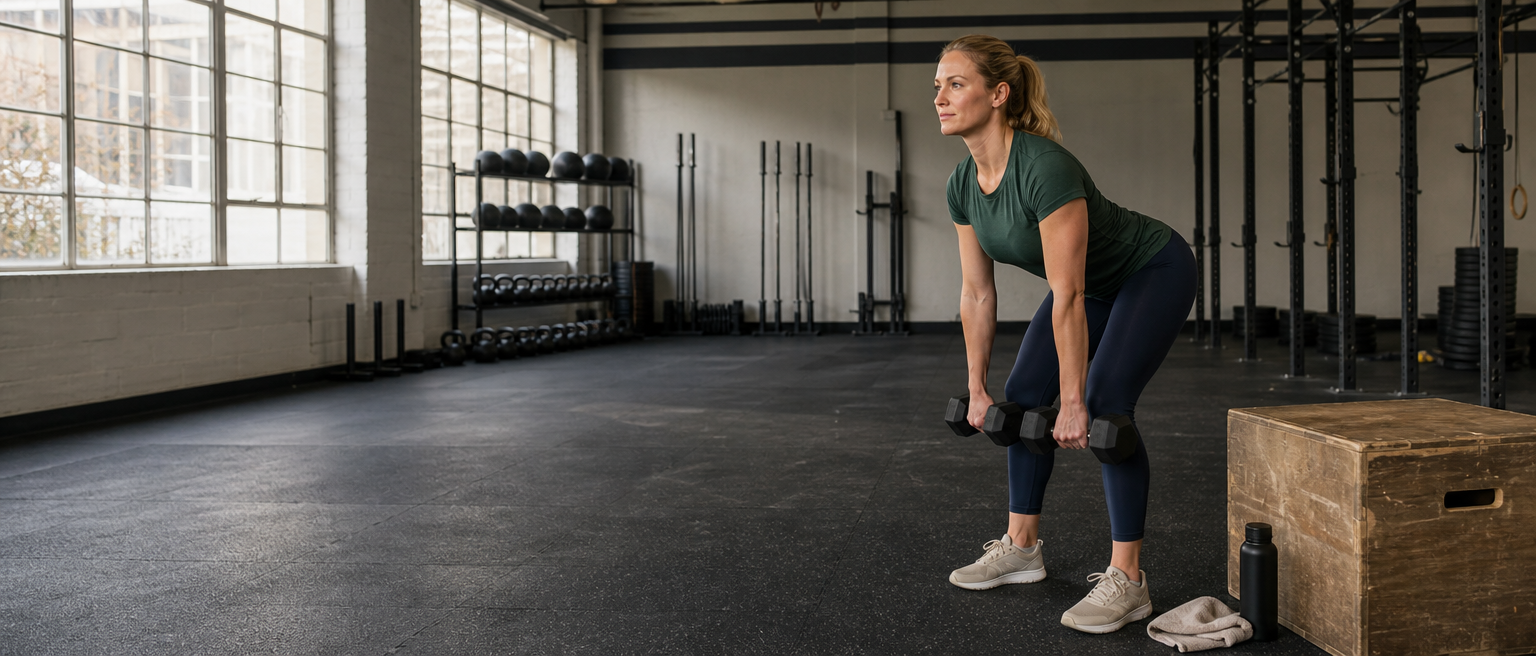
2. Build energy with exercise over time
When you are tired, exercise can feel like the last thing you want to do. Over time, though, it is one of the better-studied ways to feel more energetic.
A 2022 systematic review and meta-analysis of 81 randomized trials, including more than 7,000 participants, found that chronic exercise training reduced fatigue and increased energy and vitality compared with control groups. The effects were not magic-wand dramatic, but they were consistent enough to be useful in real life.
 Sleep: Adults generally need at least 7 hours per night.
 Exercise: Regular training can reduce fatigue and improve vitality.
 Recovery: Harder, higher-volume training needs more room to recover.
The reason is fairly simple. Regular activity improves cardiovascular fitness, muscle endurance and the efficiency with which your body handles everyday tasks. Climbing stairs, carrying shopping, commuting and training all feel less costly when your baseline fitness improves.
The CDC baseline is a good target for most adults: at least 150 minutes a week of moderate-intensity aerobic activity, or 75 minutes of vigorous activity, plus muscle-strengthening work on 2 or more days per week. If you are currently inactive, you do not need to begin there. A 10-minute walk after lunch, repeated most days, is a real start.
3. Strength training belongs in an energy plan
Cardio gets most of the attention in conversations about energy, but strength training deserves a place too.
Strength work makes daily life less physically demanding. Getting up from the floor, lifting bags, walking uphill, carrying children or moving furniture all draw on muscular strength. When those tasks take less effort, the whole day can feel lighter.
There is also evidence linking exercise to better sleep. A 2024 network meta-analysis of randomized trials found that exercise improved sleep quality overall. In that analysis, combined exercise — aerobic and resistance work together — ranked especially well, although the exact “best” dose is less certain.
Strength training may be especially useful for some people with sleep problems. A 2025 network meta-analysis in older adults with insomnia found that strengthening exercise significantly improved sleep quality versus routine activity and ranked as the most effective exercise category in that analysis. That finding is promising, although it applies most directly to older adults with insomnia rather than everyone.
For a practical week, keep it simple:
- 2 full-body strength sessions, covering legs, hips, back, chest, shoulders, arms and core
- 2–4 moderate cardio sessions, such as brisk walking, cycling or swimming
- At least 1–2 easier days, especially after harder sessions
You do not need complicated programming to start. Squats or sit-to-stands, hip hinges, rows, presses, step-ups and carries can build a strong base. If you are considering supplements around strength training recovery, keep sleep, food and sensible programming as the foundation.
4. Recovery is part of the plan
If training is meant to give you more energy, recovery cannot be an afterthought.
A 2024 review on resistance-training recovery found that training to failure can lengthen recovery time, higher training volume raises recovery demands, and heavy lower-body or multi-joint exercises may require more time before performance feels normal again. This does not mean hard training is bad. It means hard training needs room around it.
A useful rule: finish most workouts feeling as if you could have done a little more. Save all-out efforts for occasional tests, not every Tuesday.
Recovery also means being realistic about soreness. Stretching may feel good and can help mobility, but a Cochrane review found that stretching before or after exercise does not meaningfully reduce delayed-onset muscle soreness in healthy adults. For soreness, the basics are usually more helpful: sensible progression, enough sleep, easier movement the next day, and not adding too much too soon.
Caffeine can help short-term alertness, but timing counts. EFSA notes that healthy adults can generally consume up to 400 mg per day without safety concerns, and single doses up to 200 mg are usually acceptable. But even 100 mg close to bedtime may affect sleep in some adults. If your afternoon coffee steals from your sleep, it may be borrowing tomorrow’s energy.
5. When low energy needs a closer look
Sleep, movement and recovery cover a lot, but they do not explain everything.
Persistent fatigue can come from sleep disorders, heavy stress, depression, thyroid problems, infections, medication effects, low energy intake and nutrient deficiencies. Iron deficiency anemia is one example. The NIH Office of Dietary Supplements notes that iron deficiency anemia can cause weakness, fatigue, difficulty concentrating and reduced exercise or work performance.
Do not take iron casually “just in case”. Too much iron can be harmful, and the right step is testing and proper guidance, especially if you are pregnant, have heavy periods, follow a restricted diet, donate blood often, or have digestive conditions that affect absorption.
If you are sleeping enough, eating enough and training sensibly but still feel unusually drained for more than a few weeks, it is worth speaking with a healthcare professional.
