

 Deutsch
 Español
 Suomi
Suomi Français
 Bahasa Indonesia
 Italiano
 日本語
日本語 Português
 Tagalog

1. What is L-theanine?
L-theanine is a non-protein amino acid. In simple terms, it has the chemical structure of an amino acid, but your body does not use it as one of the standard amino acids needed to build muscle, skin, enzymes, or other body proteins.
It is best known as one of the distinctive compounds in tea from Camellia sinensis, the plant used to make green tea, white tea, oolong tea, and black tea. It can also be made synthetically for use in foods and supplements.
This is where the distinction is important: L-theanine is sometimes talked about as if it were a nutrient the body needs. It is not. There is no recommended daily intake, no established biological requirement, and no recognized deficiency syndrome. If you do not drink tea or take L-theanine supplements, you are not considered deficient in it.
Still, a substance does not have to be essential to have an effect. Caffeine is not essential either, but it can be quite noticeable. L-theanine is similar in that it may influence how you feel or perform in the short term, without being required for basic health.
2. How it may work
L-theanine seems to act on the brain in a relatively gentle way. Human studies suggest it may increase alpha brain-wave activity, a pattern often linked with relaxed alertness. That fits the common description of L-theanine as calming without being strongly sedating.
It may also interact with brain signaling systems involved in stress and attention. That does not mean it works like an anti-anxiety medicine or a sleeping pill. When people notice an effect, it is usually subtle: feeling a little calmer, reacting a little faster on attention tasks, or finding it easier to settle at night.
One reason tea can feel different from coffee is that it naturally pairs L-theanine with caffeine. Research reviews suggest L-theanine plus caffeine may improve attention-task performance more reliably than either compound alone. This is the basis for the popular idea that L-theanine can “smooth out” caffeine. The science is most supportive for short-term focus tasks, not for broader claims such as major productivity gains or long-term brain enhancement.
3. What the evidence says about benefits
The strongest recent review on cognition analyzed 31 randomized trials involving 1,168 participants. It found that a single 200 mg dose taken 30 to 60 minutes before testing improved choice reaction time, a measure linked with attention. That is a useful finding, but it is not the same as proving L-theanine makes people smarter or prevents cognitive decline.
For sleep, a 2025 review of 19 articles found improvements in subjective sleep quality, time taken to fall asleep, and daytime dysfunction. The word “subjective” is doing real work here: many outcomes were based on how people rated their own sleep, rather than hard clinical insomnia measures. So L-theanine may help some people feel their sleep quality is better, but it is not proven as a treatment for chronic insomnia.
For stress and relaxation, the evidence is promising but not fully settled. A 2021 acute stress study found that a single 200 mg dose increased alpha brain-wave activity and reduced salivary cortisol after a mental stress challenge. A 2024 trial using 400 mg per day for 28 days in adults with moderate stress found good tolerability and some improvements, but placebo effects were clear and the study was small.
 Focus and attention: the best-supported benefit is a modest short-term effect, especially around 200 mg.
 Relaxation and stress: plausible and supported by some trials, but the size of the benefit varies.
 Sleep quality: evidence is positive, especially for self-reported sleep, but optimal dose and duration are not settled.
Claims that L-theanine treats anxiety disorders, depression, ADHD, OCD, or other medical conditions are not proven. Some early studies are interesting, but the evidence is too small, inconsistent, or specific to support strong treatment claims.
4. Food sources and typical amounts
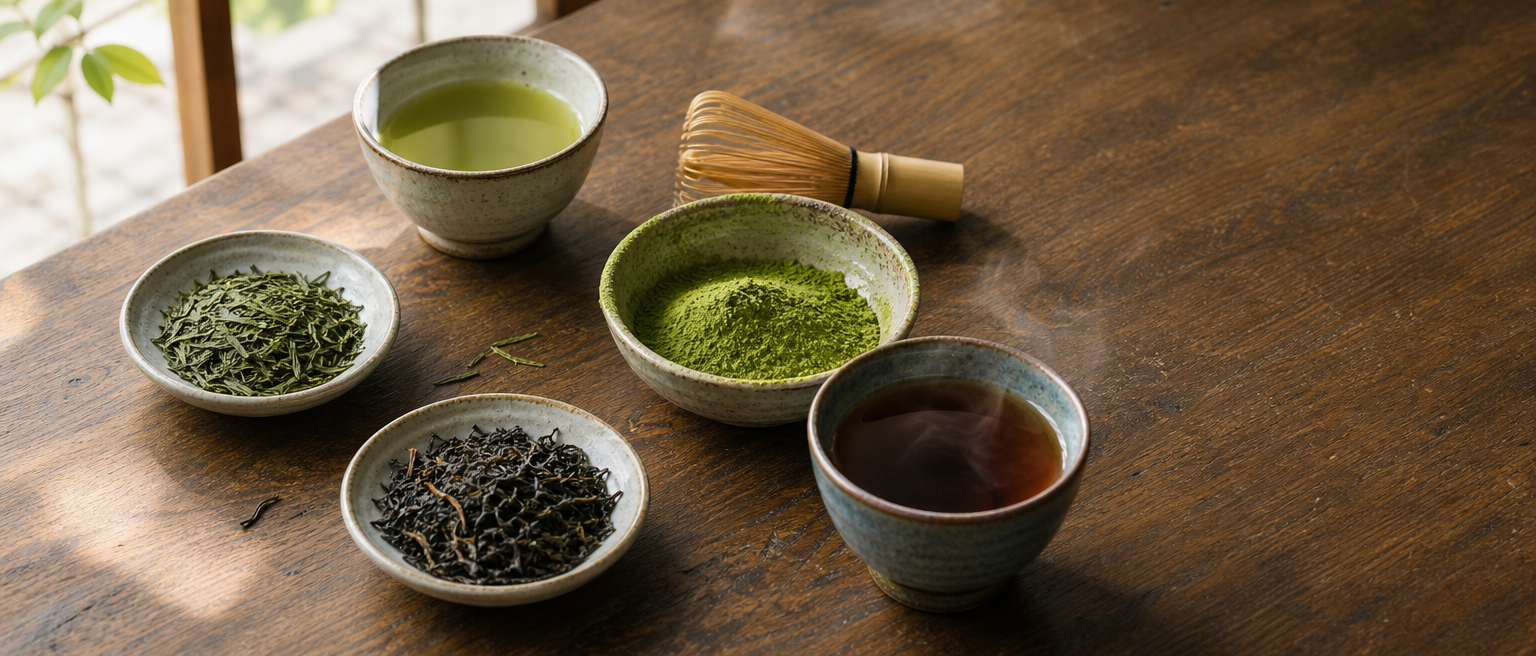
Tea is the main everyday food source of L-theanine. Green tea, white tea, oolong tea, black tea, and matcha can all contain it. Matcha may provide more because you consume the powdered tea leaf rather than just an infusion, although the amount still varies.
A tea-composition study found average L-theanine levels per gram of dry tea of about 6.26 mg in white tea, 6.56 mg in green tea, 6.09 mg in oolong tea, and 5.13 mg in black tea. Pu-erh tea was practically zero in that analysis. The same paper noted that dried tea leaves contain roughly 1 to 2% theanine as a free amino acid.
In everyday terms, a cup of tea may provide much less L-theanine than a supplement. One clinical paper described a typical cup as roughly 8 to 30 mg. By comparison, many studies use 200 mg at once, or 200 to 400 mg per day. Supplements are therefore more predictable, but they can also deliver amounts well above normal tea intake.
5. Practical use and cautions
For adult relaxation, Health Canada allows a licensed natural health product claim that L-theanine “helps to temporarily promote relaxation” at 200 to 250 mg per day. Many clinical trials have also used 200 mg as a single dose, often 30 to 60 minutes before a stress or attention task. Short trials have studied 400 mg per day, but higher or long-term use is less well established.
Short-term use appears generally well tolerated in healthy adults. In the larger cognition review, no serious adverse events were reported. The 2024 28-day trial using 400 mg per day found no clinically relevant changes in laboratory tests or vital signs, and reported that all adverse events resolved.
Even so, sensible cautions apply. If you are pregnant, breastfeeding, giving supplements to a child, taking medicines that affect blood pressure, using sedating medicines or supplements, or managing a medical condition, check with a healthcare professional first. LactMed notes that normal amounts from green tea are likely acceptable during breastfeeding, but high-dose L-theanine supplements are not necessarily proven safe for a breastfed infant, especially a newborn or preterm baby.
It is also worth separating regulatory status from proven benefit. The FDA had no questions about one GRAS notice for L-theanine as a food ingredient under specified conditions. That supports its use in certain foods, but it does not mean every supplement dose is appropriate for every person. EFSA also concluded in 2011 that the evidence submitted at the time did not establish cause and effect for claims on cognition, stress, sleep, or menstrual discomfort. Newer evidence is more encouraging in some areas, but it still supports modest, specific claims rather than sweeping ones.